
Choose a problem you can describe
Technology is easier to evaluate when the agency can explain what needs to improve. It might be repeated calls to confirm attendance, unclear patrol records or time spent preparing a client update. Write down one ordinary example and how the team handles it today. This creates a practical starting point for deciding whether a tool supports the way the agency works.
Connect the people behind the record
A guard records an activity, a supervisor reviews it and an owner or client may later rely on the summary. Those people need different levels of detail. Give each role a clear responsibility and an appropriate view. A shared record can reduce repeated explanations, but someone must still be responsible for reviewing exceptions and communicating what happened.
Keep the guard’s tasks manageable
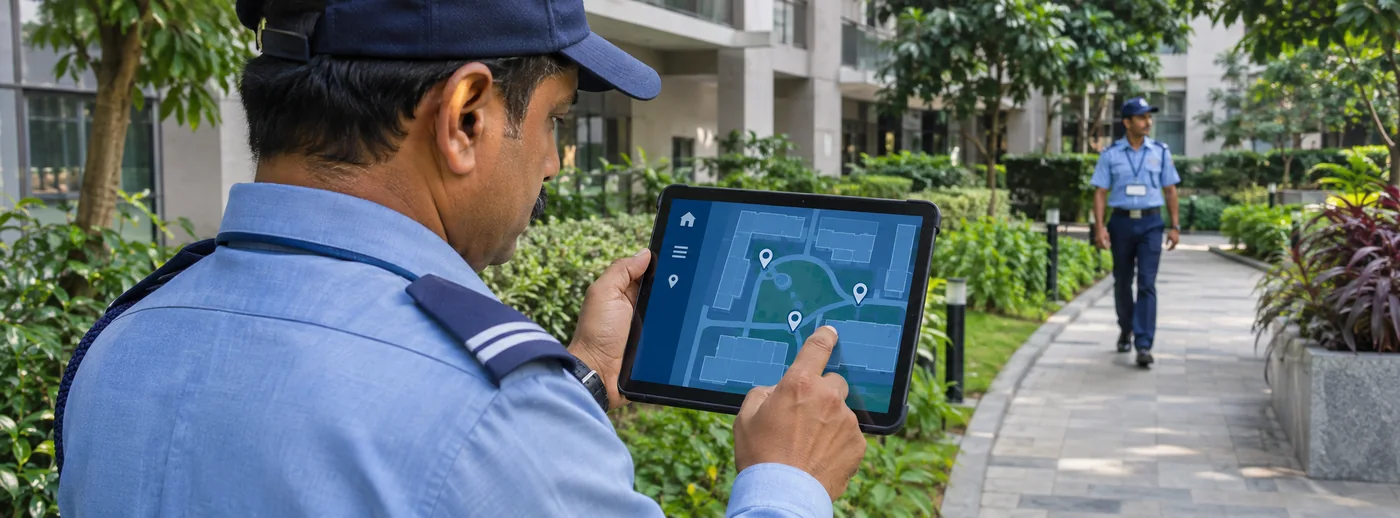
Introduce a small set of repeatable actions: start the shift, record assigned checkpoint visits and report issues. Train the team at the actual site and discuss what to do if the normal process fails. A complicated routine can create incomplete records that are difficult for supervisors to interpret. Ask guards for feedback before extending the process to more sites.
Use reports to support a conversation
A report should make the next action clearer. Review check-ins, patrol records and incidents together, then identify anything that still needs attention. Share relevant information with the client and explain outstanding matters. Avoid judging the value of a platform by the number of charts alone. The useful measure is whether the records help the team coordinate and follow up.
Review the rollout as an operating change
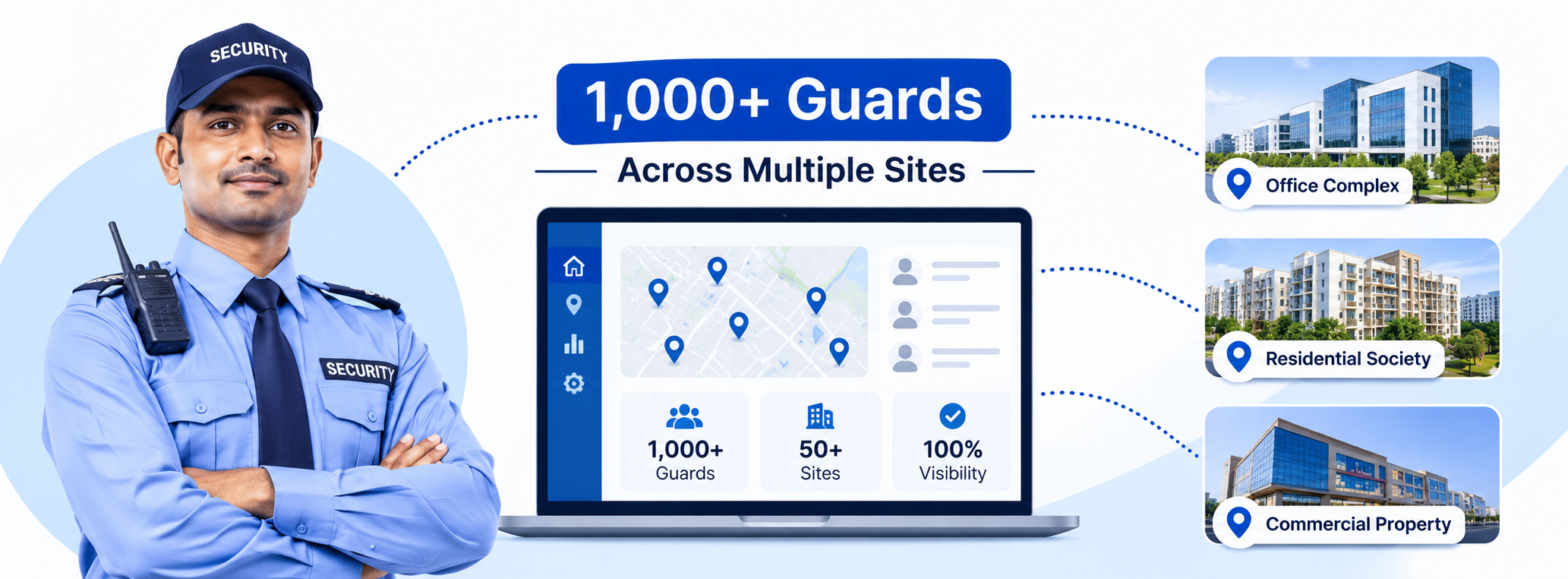
Agree on training, access, support and the routine for checking data quality. Revisit those decisions after the first few duty periods. MyWatchman is designed to connect attendance, patrol records and client visibility across sites. A demonstration can help your agency decide where to begin and which workflows need further confirmation before adoption.